
Forgotten Literary Devices That Make Your Writing Feel Polished
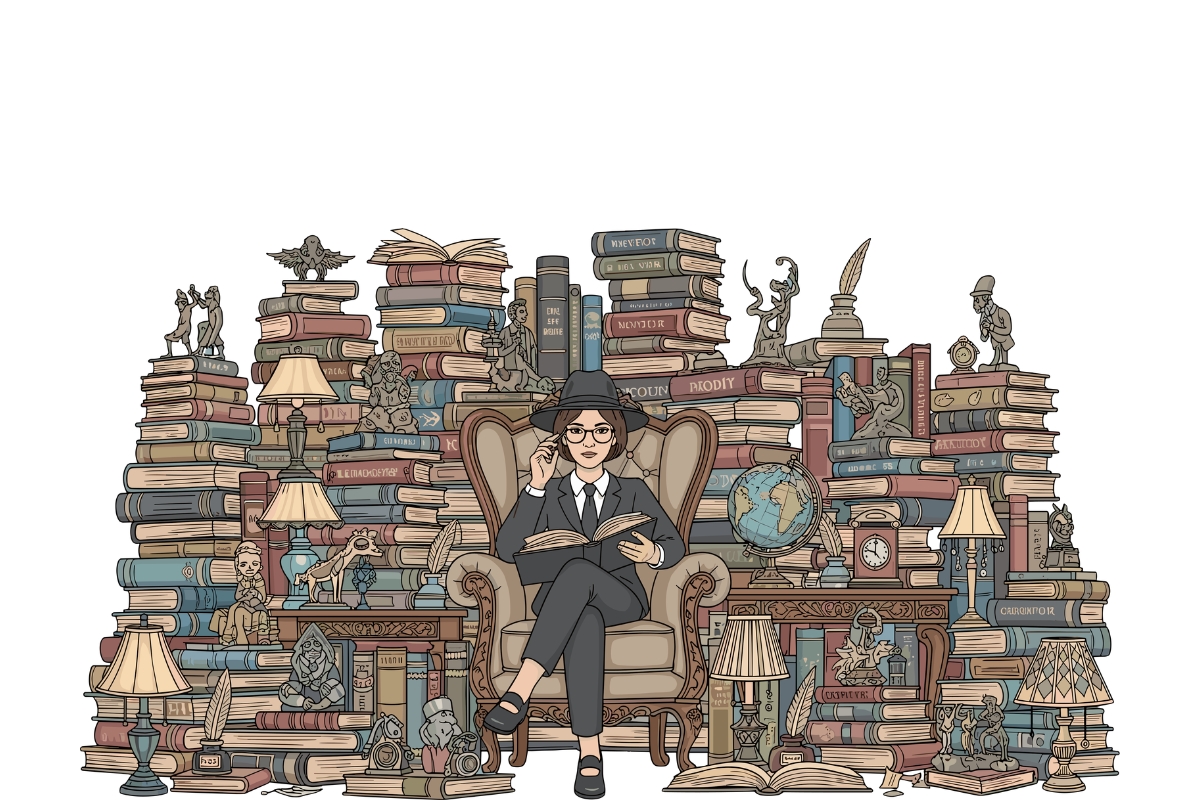
Six techniques that quietly elevate storytelling across every genre
When writers talk about literary devices, the same ones always come up.
Metaphor.
Foreshadowing.
Irony.
Symbolism.
They’re powerful. They’re essential. And they’re everywhere.
But there are other devices, quieter ones, that rarely get discussed. They don’t shout. They don’t announce themselves. And maybe that’s exactly why they’re so effective.
If you’re looking to deepen your storytelling without making your writing feel heavy-handed, these are the tools you should start reaching for.
1. Anagnorisis
(The moment a character realizes the truth.)
We talk about plot twists. We talk about climaxes.
But we don’t talk enough about recognition.
Anagnorisis is the moment when a character finally sees what’s been true all along. Not just a discovery of information, but a discovery of meaning.
It’s not:
She found out he lied.
It’s:
She realized she’d known he was lying from the beginning, and chose not to see it.
That shift changes everything.
Why you should use it:
Readers don’t just want events. They want to see a transformation. Anagnorisis creates emotional turning points that feel earned instead of imposed. It deepens character arcs without adding extra plot.
In romance, it’s the moment love becomes vulnerability.
In thrillers, it’s when the hero realizes they were hunting the wrong monster.
In dystopian, it’s when the system’s flaw becomes undeniable.
It’s internal combustion.
2. Pathetic Fallacy
(When the environment mirrors emotion.)
This one gets confused with a simple weather description.
Rain isn’t a pathetic fallacy.
Rain that feels like the sky is collapsing because your character’s world is collapsing. That’s pathetic fallacy.
The key is emotional alignment.
Instead of writing:
It was storming the night she left.
Try:
Thunder rolled low and relentlessly, as if the sky had been holding something in for too long.
Why you should use it:
It allows you to show emotion without naming it.
If you’re trying to reduce on-the-nose internal monologue (which many writers struggle with), this device lets the setting do emotional labor for you.
It’s subtle. It’s cinematic. It creates atmosphere without exposition.
3. Chiasmus
(A mirrored structure in a sentence.)
Chiasmus sounds academic, but you’ve heard it before.
“We shape our buildings, and afterward our buildings shape us.”
The structure mirrors itself.
A-B / B-A.
It’s rhythmic. Memorable.
Writers rarely use it intentionally, but when they do, it sharpens dialogue and theme.
Why you should use it:
Chiasmus adds authority to a line. It makes statements feel timeless.
It works beautifully in:
Speeches
Climactic dialogue
Thematic closing lines
Chapter endings
It’s especially powerful in dystopian and superhero fiction where ideology matters.
4. Polysyndeton
(Deliberate overuse of conjunctions.)
Most of us were taught to eliminate unnecessary “and” and “or.”
But sometimes excess is the point.
He ran through the alley and over the broken glass and past the flickering streetlight and into the dark.
The repetition accelerates the rhythm. It piles sensation. It mimics breathlessness.
Why you should use it:
It controls pacing without saying a word about pacing.
Polysyndeton can:
Build anxiety
Show overwhelm
Emphasize abundance
Slow time by stretching a moment
It’s incredibly effective in action scenes and emotionally charged moments.
5. Aporia
(When a speaker expresses doubt or uncertainty.)
Aporia is rhetorical doubt. It’s when a character voices uncertainty, not because they lack information, but because they’re wrestling with truth.
Maybe I imagined it. Maybe none of it was real. Or maybe I just didn’t want it to be.
This device is rarely named in writing spaces, but it’s incredibly powerful in first-person narratives.
Why you should use it:
It creates vulnerability. It invites the reader into the character’s internal conflict.
Instead of telling us a character is conflicted, aporia lets us feel the fracture in real time.
It works beautifully in:
Psychological thrillers
Coming-of-age stories
Romance at the brink of confession
6. Motif (Used Intentionally, Not Accidentally)
Yes, motif gets mentioned, but it’s rarely used deliberately.
A motif is a recurring image, object, phrase, or idea that gathers meaning over time.
Not just:
She wore a red scarf.
But:
The red scarf appears when she feels brave.
It’s missing when she feels powerless.
It returns in the final scene.
Now it carries weight.
Why you should use it:
Motifs create cohesion. They make your story feel intentional and layered.
They’re especially powerful in mystery and literary fiction because they reward attentive readers.
Why These Devices Matter More Than the Popular Ones
Common devices create structure.
Less-used devices create texture.
They shape rhythm, emotional resonance, and subtext, the very things that make writing feel “polished” even when readers can’t explain why.
And here’s the truth:
The difference between writing that feels amateur and writing that feels masterful often comes down to control.
Control of:
Sentence rhythm
Emotional layering
Thematic resonance
Character interiority
These lesser-used devices give you that control.
How to Start Using Them Without Overwriting
Choose one device per revision pass.
Don’t force it — look for where emotion or pacing already exists.
Replace explanation with structure.
Read your work aloud. These devices are sonic as much as structural.
You don’t need more plot.
You need sharper tools.
And the writers who understand the quiet tools, the structural ones, are the ones whose work lingers.