
Why Outlining Your Book Isn’t Limiting
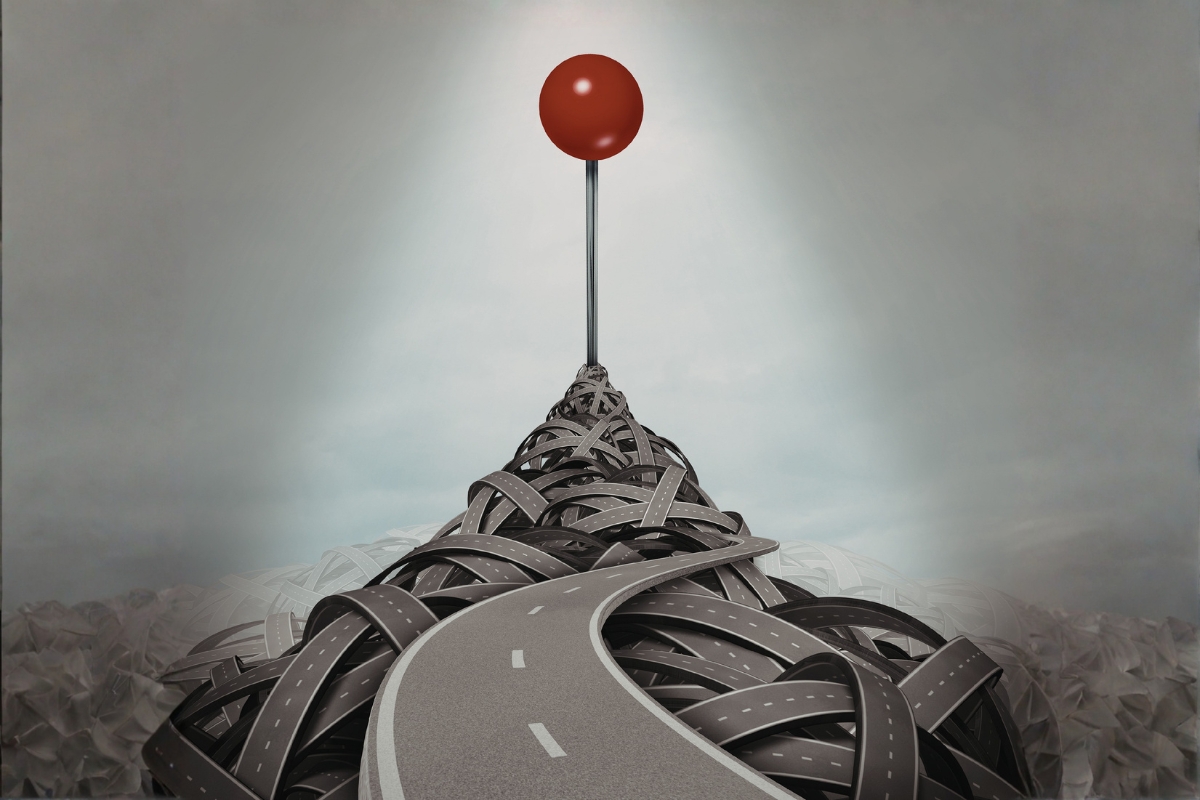
Creating a roadmap for yourself can change the whole writing process
Many writers flinch at the word outline.
It sounds rigid. Academic. Like a set of rails that will trap your story instead of letting it roam free.
But outlining isn’t about controlling your creativity. It’s about protecting it.
An outline doesn’t tell you how to write your book. It gives you a place to return to when the writing gets messy, which it always does.
The Moment Every Writer Hits a Wall
Most books don’t stall at the beginning. They stall in the middle.
You’re several chapters in. The excitement of the idea has faded. The characters feel quieter than they did at the start. You open your document, reread the last page, and think:
What happens next?
Without an outline, that question can feel paralyzing. You’re not blocked because you lack talent. You’re blocked because you’re trying to hold the entire story in your head at once.
An outline removes that pressure.
It answers the question before you need to ask it.
An Outline Is a Map, Not a Script
One of the biggest misconceptions about outlining is that it locks you into a single version of the story.
It doesn’t.
A good outline is flexible. It’s a working document. It changes as you write. Characters surprise you. Subplots deepen. Scenes shift in tone or purpose.
The outline doesn’t prevent that growth; it absorbs it.
Instead of staring at a blank page, you’re writing toward something. Even if you deviate, you’re still moving forward with intention.
Outlining Helps You See the Story as a Whole
When you outline, you step back from the sentence level and look at the structure.
You can see:
Where the story drags
Where tension spikes too early or too late
Where a character disappears for too long
Where the stakes could be raised
These are things that are hard to notice when you’re drafting scene by scene.
An outline lets you diagnose problems before they become rewrites that take months to fix.
It Makes Finishing More Likely
Plenty of writers can start a book.
Far fewer finish one.
Outlining increases your odds, not because it makes writing easier, but because it makes it clearer. You know where you’re going. You know what the ending requires. You can pace yourself instead of wandering until burnout sets in.
Progress feels measurable. Chapter by chapter, scene by scene, you can see the finish line getting closer.
That momentum matters more than inspiration.
Outlining Doesn’t Replace Discovery. It Supports It
Some of the best moments in a story happen when a character does something you didn’t plan.
Outlining doesn’t eliminate discovery writing. It creates a container for it.
Think of the outline as the skeleton. The drafting is the muscle, skin, and breath. Without structure, the story collapses under its own weight. With structure, it has something solid to grow around.
You’re not choosing between creativity and planning.
You’re choosing to give your creativity a foundation.
You Don’t Need a “Perfect” Outline
Outlines don’t have to be pretty.
They can be:
Bullet points
One sentence per chapter
A messy list of plot beats
Notes in the margins
A document full of “something happens here” placeholders
The goal isn’t perfection. The goal is direction.
An imperfect outline that evolves with your story is far more useful than no outline at all.
Outlining isn’t about writing faster. It’s about writing with purpose.
It helps you finish the book you started.
It helps you revise with clarity instead of overwhelm.
And most importantly, it gives your story the structure it needs to become what you imagined when the idea first sparked.
You’re not boxing your story in.
You’re giving it room to stand.