
How Reading Shapes the Way You Write
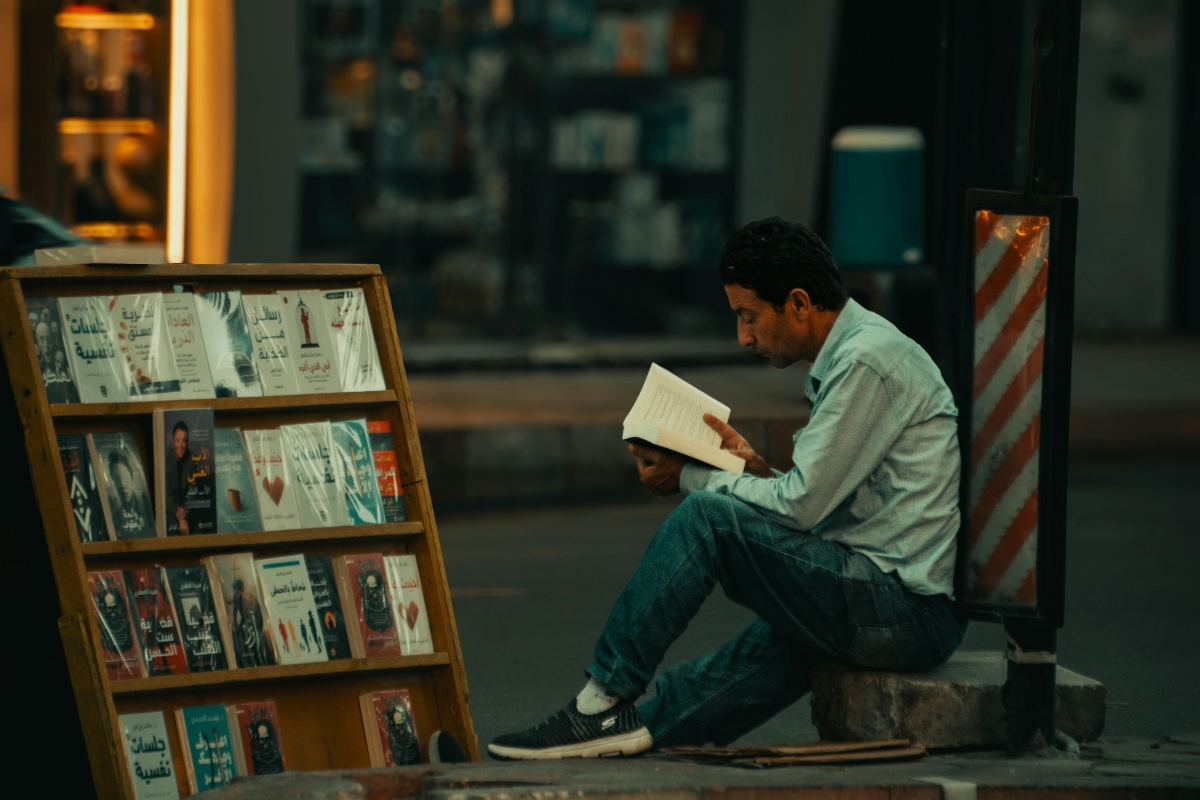
How reading infuses our writing with different styles, tones, and skills
As writers, the most critical thing that can help our writing craft is reading.
Because, as we read, we learn:
Different tones
Expand our vocabulary
Are exposed to different writing styles
This also means that we need to read widely — exposing ourselves to different genres. Because each genre exposes us to different story tropes, storytelling styles, and tones.
What else does reading teach us?
Reading as an Apprentice
Reading as a writer brings reading into a new perspective.
We begin to notice:
Strategic storytelling elements such as cliffhangers, building tension, and more.
Ways that characters are built and how they move the story forward
Subtext sprinkled throughout the story, allowing for deeper meanings
As writers, we become more aware of the storytelling elements as we read. We learn writing techniques from the authors we read. And we gain story ideas from the universes we become immersed in.
And we often gain deeper meaning from the story because we have a deeper understanding of the craft.
Absorbing Skills Without Imitating Them
Subconsciously, we absorb rhythm, tone, and sentence structures as we read.
We don’t want to sound like other writers, because then we would be telling similar stories, devoid of variation. What we really want to do is learn from them and see how we can adapt the skills we see in others’ writing to our own.
Realistically, a writer’s earliest writing sounds like what we have previously read. However, over time, these skills, habits, and tones we have absorbed begin to blend together. Mixed with our personal experiences, we form a writing style of our own.
Reading Expands What You Think Is Possible
As we read, we begin to recognize what is possible.
Maybe you can learn about nonlinear timelines or using multiple points of view throughout the story to provide a rounded story. Or perhaps, you learn about how the difference in setting can affect the entire story. What if reading exposes you to genre-blending?
When we are exposed to various ideas, scenarios, writing styles, and more, we stretch our thoughts on what could be possible for our storytelling.
The Art of Story Pacing
One of the biggest issues writers encounter is story pacing.
The ability to create a timeline for our book that allows us to tell the story in a timely fashion, avoiding rushing the story or dragging the reader through long bouts of boring storytelling.
Reading other stories allows us to see the different elements that go into the pacing of a story. This also tells us what elements we can replicate and mix into our own writing style.
Reading provides insights to writers on:
Where scenes begin and end
How and when tension is maintained
When to slow down and when to skip ahead
Dialogue and Subtext
Reading is one of the best ways to learn how dialogue actually works.
Why?
Because:
Characters rarely say what they actually mean
Dialogue carries tension, hidden motives, and conflicts
Even though dialogue feels natural, it often comes after careful construction
As writers, we begin to notice what isn’t being said.
In regard to subtext, we often need to think about the character’s motives and reasoning. What is the hidden meaning or message behind the dialogue?
If you are unsure, try isolating the dialogue, reading only the dialogue lines to see what information you gain. This is also something that can be applied to writing, to see what your dialogue is presenting to the reader.
Building Your Emotional Awareness
During reading, we are exposed to different emotional ties, causes, and situations the characters endure.
We begin to see why some emotional scenes hit harder than others. As writers, we see how emotional beats are formed. Or how the author forms a connection between the reader’s reaction and writing choices.
Emotions are what hook readers to the story and provide the highest payoff.
For example, the difference between earned and forced emotion. A scene will resonate with the reader when the emotion is built, not simply presented. Readers feel the weight of it because of what came before.
Reading a high quantity of books allows us to be exposed to writing skills and styles that enhance our own writing.
By doing so, we increase our skills, enhance our story writing, and provide ourselves with the tools to craft a story that entertains readers.